What Are Swiss All-Inclusive Tuition Fees?
If you are considering studying hospitality or business in Switzerland, you have probably come across the term “all-inclusive tuition fees.”
For many applicants and their sponsoring parents, the first reaction is often the same: This sounds too good to be true. Others immediately start looking for the catch.
And honestly, that is understandable.
The idea that one tuition fee could cover not only academics, but also accommodation, meals, health insurance, study materials, and career support is very different from what families are used to in many other countries.
That is exactly why it is important to understand what Swiss all-inclusive tuition fees actually mean.
This article is an honest review designed to help students and parents understand what is included in Swiss hospitality school tuition fees, what is not included, and how to avoid unpleasant financial surprises later on.
Are Swiss Hospitality Schools Really All-Inclusive?
The concept of all-inclusive tuition fees is one of the biggest advantages of studying hospitality in Switzerland.
For students, it means they can focus on what truly matters: their studies, networking opportunities, student life, personal development, building international friendships, and gaining practical experience through internships.
For parents, it provides something equally valuable: predictability.
There are no major unexpected costs appearing out of nowhere. Families know where their child will study, where they will sleep, and what they will eat. That level of certainty is a huge advantage.
In countries such as the United Kingdom and the Netherlands, accommodation, food, and general living expenses can sometimes exceed tuition fees themselves. The Netherlands, in particular, has become notorious for its student housing shortage, to the point where securing accommodation can feel almost more difficult than gaining admission to the university itself.
Switzerland, a country synonymous with quality, service, and efficiency, approaches things differently. The major costs of student life are often bundled together, allowing students and their families to enjoy greater peace of mind.
However, it is very important to understand that what is included in Swiss all-inclusive tuition fees can vary from one institution to another.
Always double-check the details during the application process and before paying your deposit.
What Is Usually Included in Swiss All-Inclusive Tuition Fees?
Representative and Consultancy Services
Many Swiss hospitality schools employ admissions staff to answer inquiries and support applicants. They also work with official educational representatives.
If you choose to work with me, you will not pay anything for my services or consultancy regarding Swiss business and hotel management schools. I support students throughout the entire application process, upon arrival in Switzerland, and throughout their studies. These services are covered by the university.
Application Fees
Application fees are sometimes included.
For example, institutions such as BHMS may waive these fees.
However, many schools charge application fees ranging from approximately CHF 250 to CHF 350, including institutions within Swiss Education Group and Summit Education, such as Glion and Les Roches.
Visa Support
Universities usually guide students through the visa process and provide the documentation needed for applications.
Especially for European students, institutions often assist with residence permit procedures after admission and payment of the deposit.
Airport Transfers
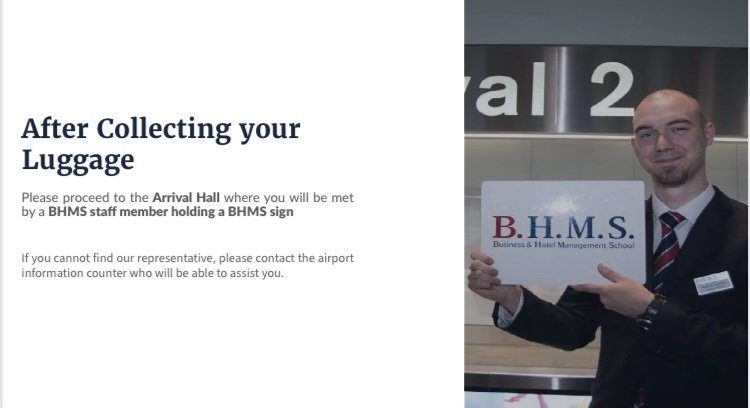
Airport pickups are often included upon arrival.
For example, BHMS guarantees airport transfers from Zurich Airport.
Schools located in the French-speaking part of Switzerland frequently ask students during the application process whether they would like airport transportation arranged.
Swiss SIM Card Upon Arrival
Upon arriving in Switzerland, many universities provide international students with a Swiss SIM card so that they can stay connected from day one.
This allows students to contact their families safely after landing, communicate with classmates and university staff, access maps and transportation information, and begin settling into their new environment without the stress of immediately having to arrange a local mobile phone plan.
As with many aspects of the Swiss all-inclusive model, the exact arrangements may vary from one institution to another. Some schools provide a SIM card with an initial prepaid balance or data package, while others simply assist students with the registration process. Nevertheless, this small gesture can make a significant difference during the transition to life in Switzerland, offering both practical support and peace of mind to students and their families.
Assistance with Opening a Swiss Bank Account
Another important benefit that many students and parents overlook is assistance with opening a Swiss bank account.
Most Swiss business and hotel management schools help international students set up a local Swiss bank account shortly after their arrival. Having a Swiss bank account makes everyday life significantly easier and is often essential for managing finances while studying in Switzerland.
Students can use this account to receive money transfers from their parents, receive salaries from internships, receive wages from part-time student jobs, pay local expenses more conveniently, and avoid some of the fees associated with international banking transactions.
For many students, this is their first experience managing their own finances abroad. The support provided by universities during this process removes yet another administrative burden during the transition to life in Switzerland and helps students become more independent and financially prepared for both their studies and future careers.
Accommodation
Accommodation is almost always included in Swiss all-inclusive tuition fees.
Typically, this means shared rooms with two students, occasionally three students sharing, furnished accommodation, and utility costs included.
Students who prefer greater privacy often have the option to upgrade to private rooms at an additional cost.
Bed linen and towels are also usually provided by the institution, meaning students do not need to pack bulky bedding items when moving to Switzerland. This can be particularly reassuring for international students travelling long distances.
Laundry, Ironing, and Room Cleaning
Laundry facilities are usually available on campus. However, whether their use is included in the tuition fee or charged separately depends on the institution. In many cases, students may need to pay a small fee to use the washing and drying machines.
Ironing facilities are also generally available, allowing students to maintain the professional appearance expected at Swiss business and hotel management schools.
Another point worth noting is room cleaning. This can vary significantly between institutions and even between different campuses of the same institution. For example, at Business and Hotel Management School’s Lakeside Campus, regular room cleaning by staff is included. In many other schools and campuses, however, students are expected to clean and maintain their own rooms themselves.
While this may seem like a minor detail, it is another example of why prospective students and their families should always double-check exactly what is included before making their final decision.
Food
Meals are generally included.
Most Swiss hospitality schools provide breakfast, lunch, and dinner. Schools also usually accommodate food allergies, religious dietary requirements, vegetarian preferences, and other nutritional needs whenever possible.
Health Insurance
Health insurance is also commonly included.
However, families should carefully review what the policy actually covers. Coverage varies between institutions and providers. Some plans cover basic medical needs and emergencies, while others offer broader protection.
Study Materials
Study materials are generally included and provided by the institution.
This often means students do not need to purchase core textbooks, course packs, or essential academic resources. This reduces both costs and administrative stress.
Counselling and Wellness Facilities
Student wellbeing is increasingly prioritised.
Many schools provide access to psychologists, student support professionals, and counselling services. Students can also benefit from wellness facilities such as gyms and fitness centres.
Wi-Fi and Internet Access
Campus-wide Wi-Fi and internet access are usually included.
Students can stay connected with family, complete assignments, attend virtual sessions, and access learning resources without additional charges.
Access to Campus Facilities
Students often enjoy access to facilities such as libraries, study rooms, computer laboratories, career centres, student lounges, and common areas. These services support both academic success and student life.
Academic Support
Many institutions also provide academic advisors, tutoring, language support, and study skills workshops. This can be especially valuable for international students adjusting to a new educational environment.
School Excursions and Student Events
Many schools organise cultural excursions, networking events, student activities, and industry visits.
These are often included in the tuition fee. However, registration is usually required because places may be limited.
Name Tags
Professional name tags are also typically included in Swiss all-inclusive tuition fees. Students use them during classes, practical sessions, networking events, industry visits, and other professional activities throughout their studies.
Although it may seem like a small item, the name tag reflects the strong emphasis Swiss hospitality schools place on professionalism and preparing students for industry standards from the very beginning of their education.
Career Services
Perhaps one of the greatest benefits of Swiss hospitality education is the dedicated career support.
Career offices often help students by preparing professional CVs, taking professional photographs, conducting interview preparation, providing career coaching, sending internship applications, and matching students with opportunities aligned with their goals and talents.
This support continues throughout students’ studies and can significantly improve internship and employment outcomes.
Need Help Choosing the Right Swiss Hospitality School?
Every Swiss hospitality school is different. Tuition fees, internship opportunities, accommodation standards, admission requirements, and student experiences can vary significantly from one institution to another.
As an official representative of Swiss business and hotel management schools, I help students and their families compare institutions objectively, identify the best fit based on their goals and budget, navigate the application process, prepare the necessary documents, organise their arrival in Switzerland, and support them throughout their studies.
The best part? My guidance is completely free for applicants, as my services are covered by the universities.
If you would like personalised advice or simply have questions about studying in Switzerland, feel free to get in touch.
What Is Usually Not Included in Swiss All-Inclusive Tuition Fees?
Understanding exclusions is just as important as understanding inclusions.
Flights to Switzerland
Flights between your home country and Switzerland are generally not included. Students are responsible for arranging and paying for their own international travel.
Transportation During Studies
Although airport pickups may be provided, ongoing transportation costs are usually separate.
This includes Swiss train tickets, local transportation, and flights home during holidays. The good news is that students often benefit from discounts of around 50% on Swiss train travel.
Uniforms and Professional Clothing
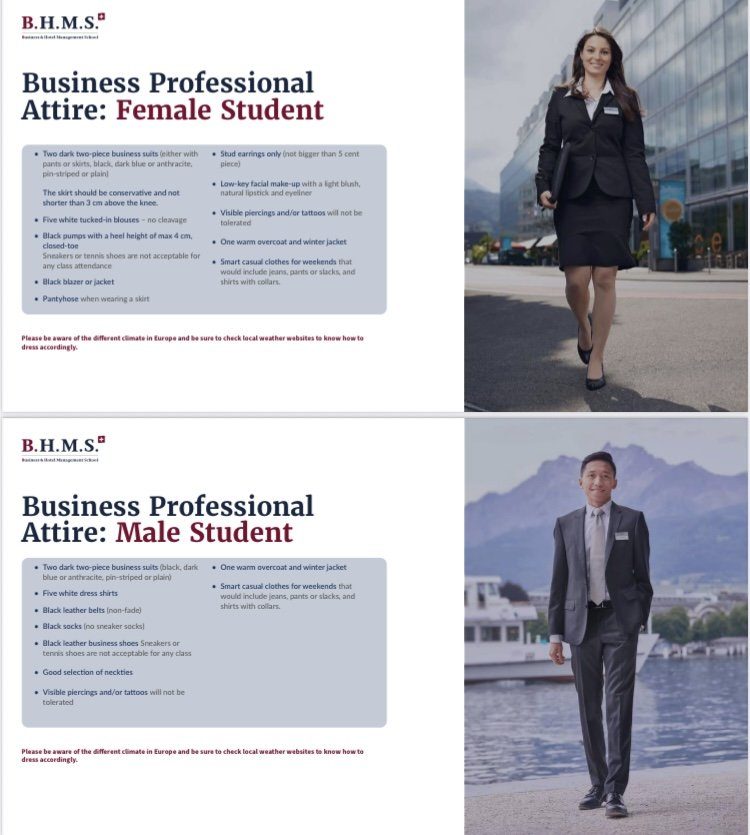
Most Swiss hospitality schools do not require official uniforms.
However, they do enforce professional dress codes. Students should budget for business attire, professional shoes, and appropriate clothing suitable for practical classes and events.
Pocket Money
Pocket money is not included.
Students remain responsible for personal expenses such as going to the cinema, eating out, shopping, leisure activities, weekend trips, and personal purchases.
Fortunately, many schools help students find part-time employment opportunities that comply with Swiss regulations. These jobs allow students to earn money, gain additional experience, and reduce the financial burden on their families.
Visa and Residence Permit Fees
While universities support the visa process, the actual government fees are often paid separately by students. Costs vary depending on nationality and local authorities.
Security Deposits
Some institutions require refundable deposits covering accommodation, room keys, or potential damages. These are typically returned at the end of studies if there are no outstanding charges.
Printing and Personal Study Supplies
Study materials may be included, but students may still need to pay for personal laptops, notebooks, stationery, and excessive printing beyond standard allowances.
Optional Excursions and Premium Trips
Although many events are included, certain experiences may involve additional costs. These can include international study tours, premium excursions, and optional activities.
Private Health Expenses
Even when health insurance is included, some costs may remain the student’s responsibility. Examples include cosmetic procedures, certain dental treatments, specialist services, and expenses exceeding policy limits.
Accommodation and Meals During Internships
This is one of the most important points families should understand.
During internship semesters, students are no longer living on campus full-time. As a result, accommodation and meals provided by the university are generally not covered by the original tuition package.
However, employers frequently provide accommodation and meals directly or subsidise them through payroll deductions.
The encouraging news is that internships in Switzerland are paid. Hospitality students typically earn around CHF 2,500 per month during internships. Even after deductions for accommodation and meals, many students are able to save money while gaining valuable professional experience.
Are Swiss Hospitality Schools Worth the Cost?
At first glance, Swiss hospitality school tuition fees may appear expensive.
However, when you compare them with the combined costs of studying elsewhere—including accommodation, food, insurance, textbooks, and support services—the value proposition becomes much clearer.
Swiss hospitality education offers predictable budgeting, structured support, international exposure, paid internships, dedicated career services, and a strong return on investment.
For many families, the convenience and peace of mind justify the cost.
For families comparing Switzerland with the UK and other European study destinations, the full value of an all-inclusive fee becomes clearer when tuition, accommodation, meals and career support are considered together.
Related Swiss Study Resources
More guides for comparing Swiss study costs
- 2026 Swiss hospitality school comparison: costs, internships and ROI
- Scholarships for Swiss private universities
- Can students work while studying in Switzerland?
- Staying in Switzerland after graduation
- Complete guide to studying hospitality in Switzerland
- Study business in Switzerland
- Support throughout your Swiss study journey
- Why work with a Swiss hospitality school representative?
Frequently Asked Questions
Are Swiss hospitality schools really all-inclusive?
Most Swiss hospitality schools include major expenses such as accommodation, meals, study materials, health insurance, and support services. However, personal expenses and certain government fees are generally excluded.
Do Swiss hospitality schools include accommodation?
Yes. Accommodation is typically included, usually in shared rooms. Private room upgrades are often available at an additional cost.
Are internships in Switzerland paid?
Yes. Swiss hospitality internships typically pay around CHF 2,385–2,500 per month, depending on canton, employer, role and applicable deductions for accommodation and meals.
Is health insurance included in Swiss tuition fees?
Usually yes. However, the level of coverage varies, so students should always confirm exactly what is included.
Do students need pocket money?
Yes. Entertainment, shopping, leisure activities, and other personal expenses remain the student’s responsibility.
Do Swiss hospitality schools include airport transfers?
Many schools provide complimentary airport pickups upon arrival, although policies differ between institutions.
Are visa fees included?
Generally no. While universities assist with the process, government visa and residence permit fees are usually paid separately.
Is food included?
Yes. Most Swiss hospitality schools provide three meals per day and accommodate many dietary requirements.
Are there hidden costs?
Not necessarily hidden, but there are additional expenses that families should budget for, including flights, pocket money, transportation, professional clothing, deposits, optional activities, and certain healthcare expenses.
Final Thoughts
Perhaps the most important thing to understand is that the term “all-inclusive” should not be interpreted as meaning that absolutely everything imaginable is covered.
Rather, it means that the major costs associated with studying and living in Switzerland are bundled together into one transparent package, making financial planning significantly easier for students and their families.
That transparency is precisely what makes the Swiss model so attractive.
Students can focus on their education, personal growth, networking, and career development, while parents benefit from predictability, structure, and peace of mind.
Swiss all-inclusive tuition fees may initially appear expensive. However, when you look beyond the headline figure and consider everything that is included—from accommodation and meals to career services and paid internships—you begin to understand the value behind the investment.
Ultimately, Swiss hospitality schools offer something many families value above all else: certainty.
And when students do not have to worry about where they will live, what they will eat, or how they will navigate an unfamiliar country, they are free to focus on what truly matters: learning, growing, gaining international experience, and preparing for a successful global career.
Still Not Sure What Is (and Isn’t) Included in Your Dream School’s Fee?
Choosing the right Swiss hospitality school is not simply about finding the lowest tuition fee. It is about finding the institution that matches your personality, career ambitions, preferred campus environment, and financial situation.
If you are considering studying in Switzerland and would like honest, personalised guidance from someone who has helped students through the entire journey—from application and arrival to internships and graduation—I would be delighted to help.
You can reach out for a free consultation, ask questions without obligation, or simply discuss your options.
I look forward to helping you make one of the most important decisions of your future with confidence and peace of mind.