Could hospitality be one of the safest career choices in the age of artificial intelligence?
According to various estimates, around two-thirds of today’s jobs could be significantly transformed by automation and artificial intelligence by 2050. Tasks that are repetitive, predictable, and rule-based are increasingly being performed faster and more efficiently by machines.
For many students and parents, this raises an important question: What should I study if I want a career that remains relevant in the age of AI?
After working with students for more than a decade, growing up in a family that runs multiple hotels, and having spent years working in tourism myself, I genuinely believe that hospitality is one of the sectors most likely to remain resilient in an increasingly automated world.
Not because technology will not change it. It already is. But because hospitality, at its heart, is about people.
And hospitality is also so much more than “just” tourism, hotels, or dining — the things that most people immediately associate it with. It also includes HR, events management, consulting, logistics, business management, sales and marketing, customer experience, luxury services, and much of the broader service sector, where people still prefer talking to and being served by other people.
Of course, no industry is completely immune to technological change. Hospitality itself will continue to evolve, but its human-centred nature makes it more resilient to automation than many other professions.
AI Changes Work, but It Does Not Replace Care
Artificial intelligence is transforming many traditional office jobs. It can write text, analyse data, answer basic customer questions, automate repetitive administrative tasks, optimise pricing strategies, and process enormous amounts of information within seconds.
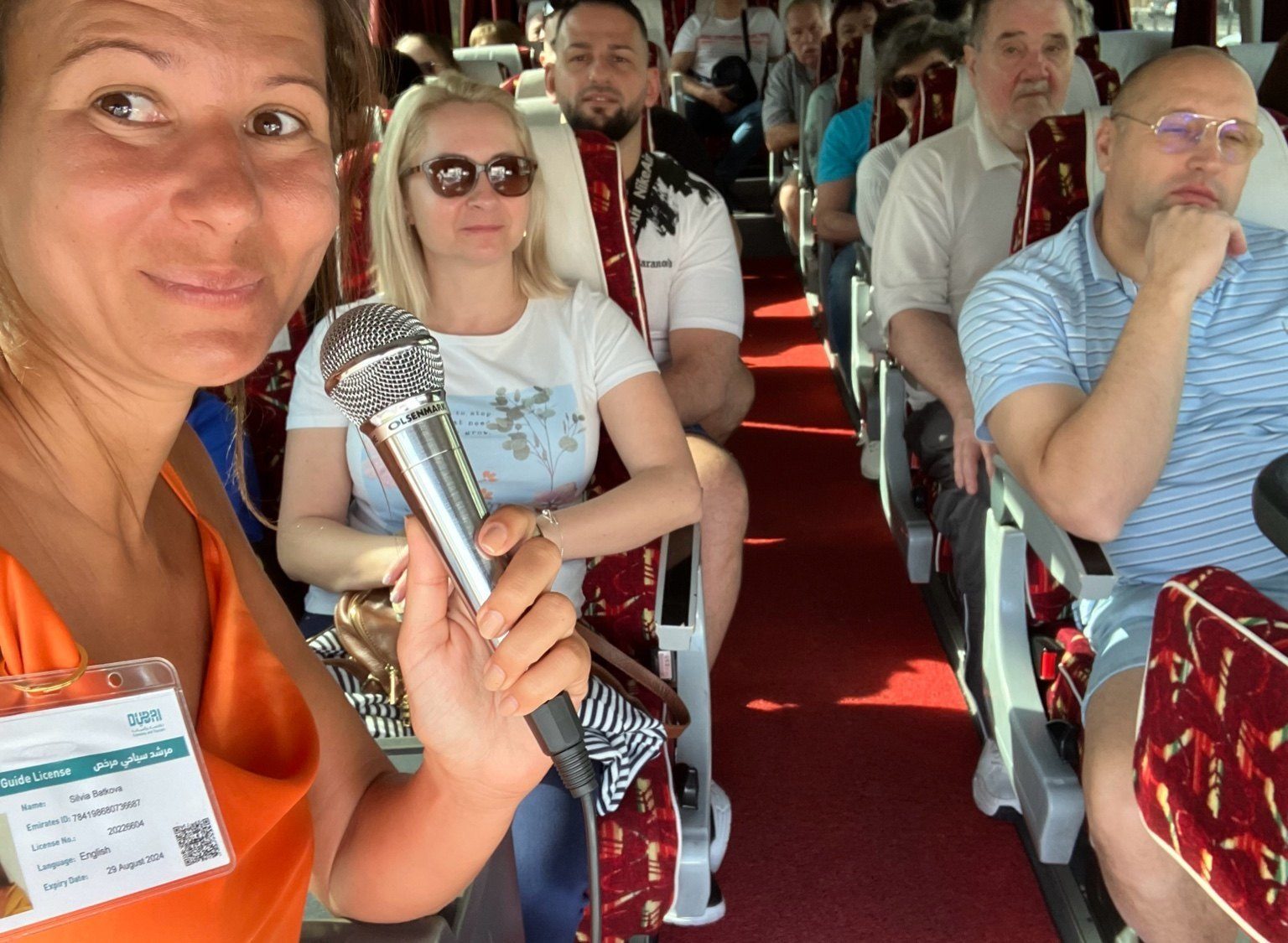
But hospitality is built around something technology still struggles to replicate: human presence.
People may use technology to book a hotel room. They may check in through an app. They may use AI-powered travel assistants to plan an itinerary. Yet what they remember afterwards is rarely the technology itself.
They remember how they were welcomed. How they were treated when something went wrong. How someone reassured them during a stressful moment. How they felt.
Luxury Service Is Emotional
The higher the level of service, the more human it becomes.
A luxury hotel, private event, Michelin-style restaurant, wellness retreat, cruise, airline lounge, or exclusive travel experience is not only about efficiency. It is about atmosphere, empathy, attention to detail, and trust.
Guests paying for premium experiences are purchasing confidence, comfort, recognition, and the feeling of being understood.
Artificial intelligence can assist staff. However, it cannot fully replace the emotional intelligence of a trained hospitality professional who understands people, anticipates needs, and creates meaningful experiences.
Swiss Hospitality Schools Do Not Primarily Train Employees
There is a common misconception that Swiss hospitality and business schools mainly train cooks, receptionists, or hotel staff. This is simply not true.
Their primary goal is not to produce employees. Their goal is to educate future business leaders, entrepreneurs, and decision-makers.
Of course, understanding operational roles is essential. How could you effectively manage a hotel as a director if you have no idea what happens at reception or in the food and beverage department? How could you run a successful restaurant without understanding the realities of a professional kitchen or stepping in during an emergency?
Students experience operational departments because future leaders need to understand every aspect of the businesses they will eventually manage. You cannot lead effectively if you have never understood the people you lead.
Hard Skills Versus Human Skills
Traditional education systems have often focused heavily on hard skills: memorising information, performing calculations, following established procedures, and mastering technical processes. Many of these tasks are already being performed faster and more efficiently by AI systems.
What machines still struggle to replicate are the qualities that make us human: creativity, empathy, communication, leadership, emotional intelligence, problem-solving, teamwork, cultural sensitivity, negotiation, and adaptability.
These are precisely the skills that hospitality develops every day.
Hospitality Teaches Transferable Skills
Hospitality education is not only for hotels. It teaches communication, leadership, problem-solving, operations, finance, marketing, guest psychology, cultural awareness, and crisis management.
Graduates often build successful careers in luxury brands, events, tourism, airlines, customer experience, real estate, private banking support roles, international business, entrepreneurship, and consulting.
Rather than preparing students for a single job title, hospitality equips them with versatile skills that remain relevant throughout changing economic cycles.
Small Classes, Practical Learning
The Swiss schools I work with typically have very small class sizes. Most classes consist of around fifteen students, and I have even seen classes with only two students.
Students do not spend all day memorising theories. Many assignments involve real-life case studies, group projects, presentations, leadership activities, problem-solving exercises, and collaboration with classmates from different nationalities.
This naturally strengthens the soft skills employers increasingly value.
Why Switzerland Is Powerful
Switzerland has built a global reputation for hospitality education, precision, quality, and international standards. Studying hospitality in Switzerland gives students much more than a degree. It provides a mindset.
Students learn service excellence. They develop discipline. They understand professionalism. They gain confidence working in multicultural environments.
Swiss hospitality education combines theory with practice and prepares graduates for leadership in an international environment. It also gives students access to a powerful international brand and network that can open doors throughout their future careers.
Many families also compare Switzerland with the UK and other destinations from an ROI perspective, considering not only tuition fees but also employability, internships, networking opportunities, and long-term career outcomes.
Hospitality Is Not Just a Theory for Me
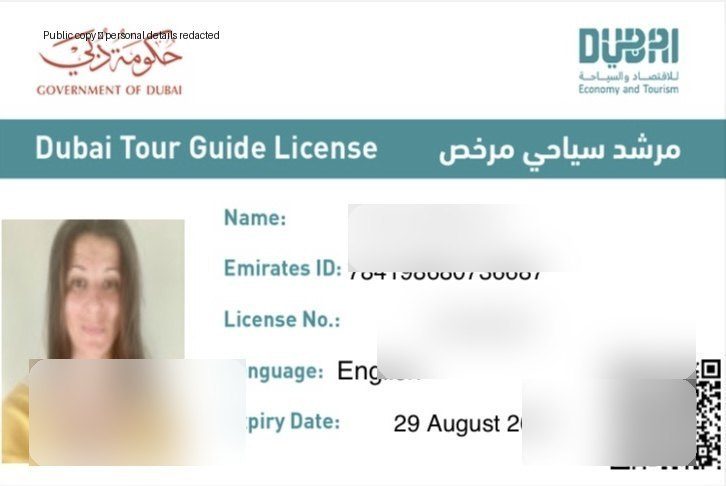
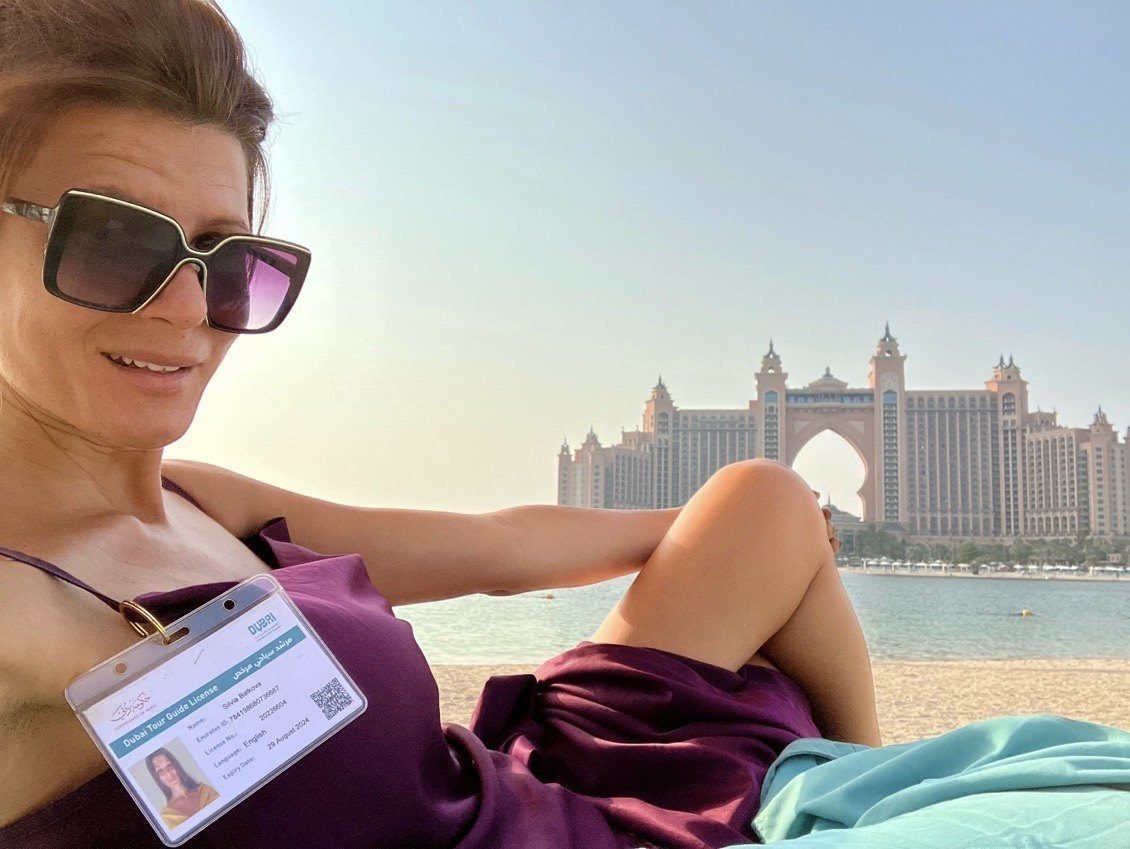
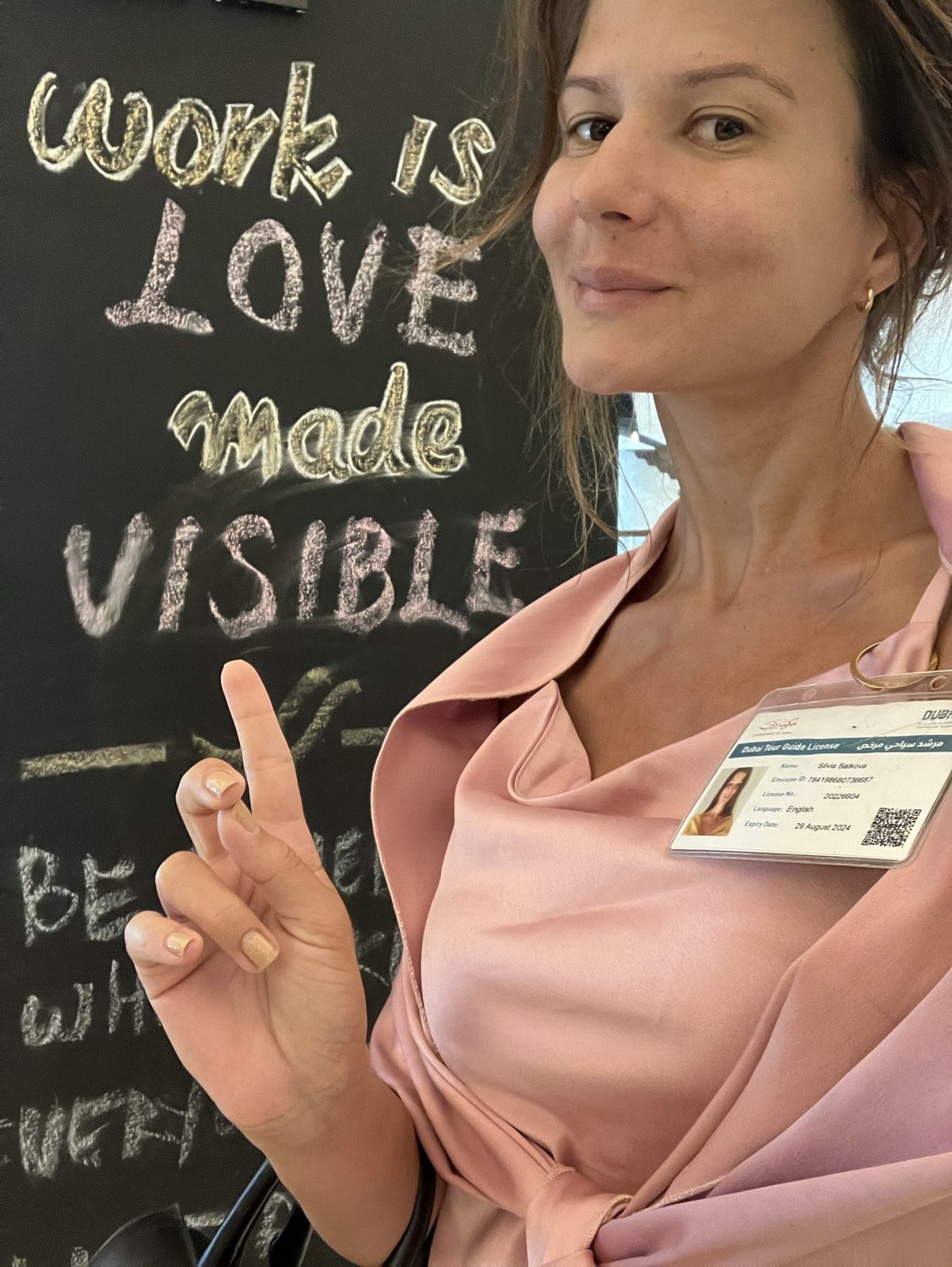
I grew up in a family that runs multiple hotels. Later, I earned my Dubai licensed tour guide certificate and went on to run my own tour agency in Dubai for seven years.
Through my work with students and families over the past decade, I have witnessed countless hospitality success stories firsthand. And from all of these experiences, I can confidently say one thing: hospitality is still booming.
According to the World Travel & Tourism Council, travel and tourism contributed approximately US$11.6 trillion to the global economy in 2025 and supported approximately 366 million jobs worldwide. UN Tourism reported that international tourist arrivals surpassed pre-pandemic levels, demonstrating that people’s desire to travel remains remarkably resilient.
The Things That Never Make It Into the Brochures
As a former Dubai licensed tour guide and someone who ran a tour agency for seven years, I can tell you that hospitality is full of situations that no textbook could ever prepare you for.
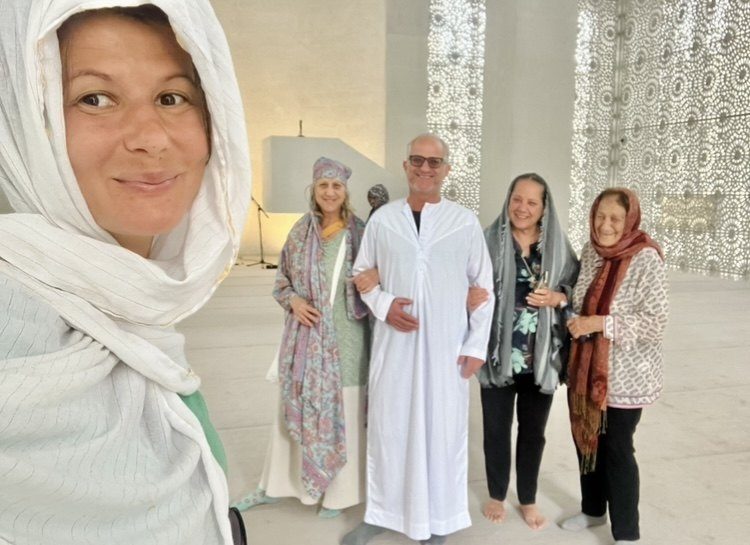
Cultural sensitivity
Showing around a rich Israeli Jewish family in strict Islamic Abu Dhabi — and the trip was a 97th birthday gift for the grandmother. I wonder how AI would manage all the challenges arising from this combination?
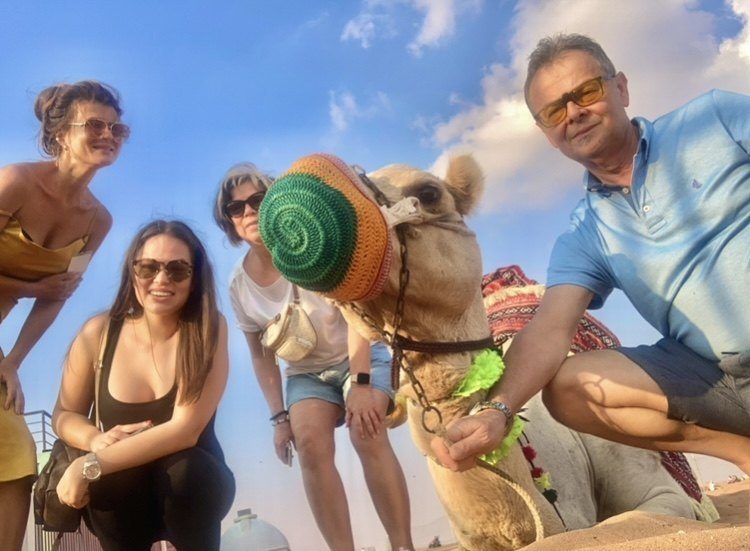
Crisis management
When our jeep broke down in the desert, there was no internet and no phones. It was hospitality soft skills — not AI — that helped us make the most of the situation.
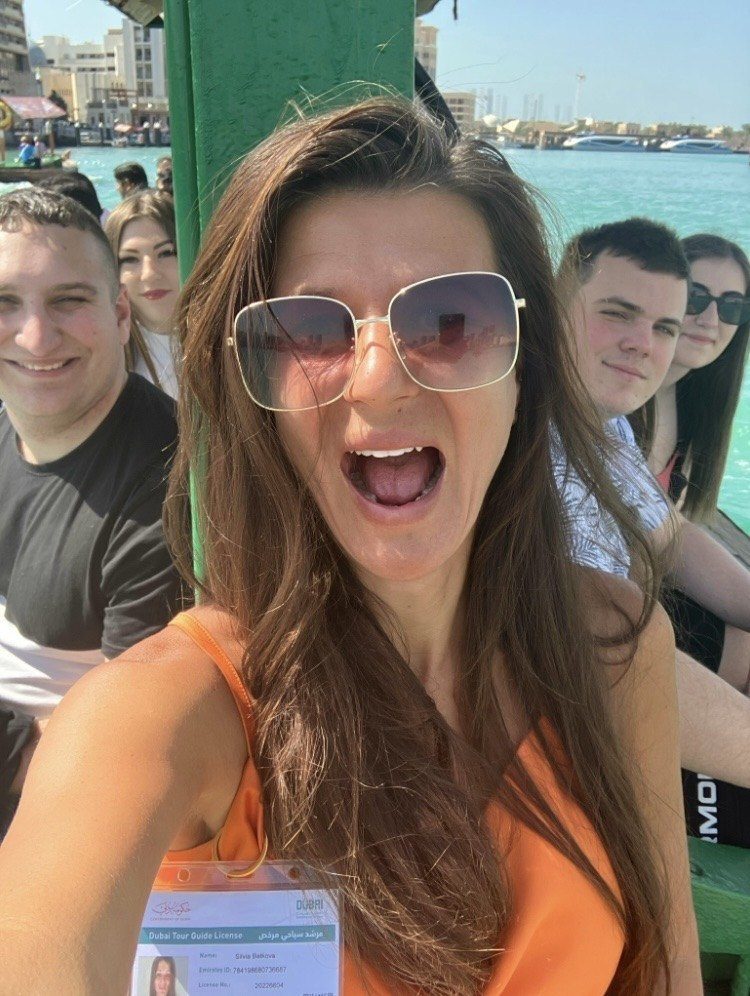
Creative problem-solving
After a no-show cruise transfer, we rented a private wooden abra boat and still got to the cruise on time. Good luck, AI, with pulling this one off.
Two elderly American ladies fainted after ignoring medical advice and drinking wine during a long-haul flight. Later, they lost their passports during a desert safari. I coordinated emergency assistance, accompanied them to their consulate, and ensured they returned home safely.
A makeup artist got stuck in traffic shortly before a six-figure wedding. I ended up fixing the bride’s hair and makeup myself.
Fifty German tourists missed their cruise ship because of unexpected road closures. Through negotiation and persistence, I managed to secure places for the entire group on the next available departure.
One of my former students, now a night manager at Budapest’s prestigious Gresham Palace, once had to deal with a naked guest running through the corridors and, on another occasion, a world-famous actor requesting complete privacy under a false name.
Every situation required judgement. Every decision had consequences. And no two days looked alike. It is not the boring repetitive 9–5 job.
When Is Hospitality Not the Right Choice?
Hospitality is not for everyone.
If you have exceptional mathematical abilities, a passion for scientific discovery, and the patience required for research and development, I would encourage you to pursue careers in science, engineering, data science, or R&D.
Similarly, students who dream of becoming doctors, dentists, veterinarians, pharmacists, or other healthcare professionals should most likely continue down that path.
However, I would still encourage many of these professionals to pursue a top-up Master’s in Hospitality & Business or an MBA later in their careers. As AI and automation increasingly take over technical workloads, even these professions are shifting towards customer service, presentation skills, leadership, sales, and marketing — especially for those who dream of building their own businesses.
But What If You Are Still Not Sure?
Ask yourself: Do you enjoy working with people? Do you naturally take leadership roles? Do you enjoy solving problems under pressure? Are you curious about different cultures? Do you enjoy travelling? Do you prefer variety over routine? Can you adapt quickly? Do you enjoy making other people happy?
If the answer is yes, hospitality may be an excellent fit.
FAQ
Will AI replace hospitality jobs?
AI will likely automate many repetitive and administrative tasks. However, hospitality relies heavily on emotional intelligence, problem-solving, leadership, and human interaction, making it more resilient to automation than many other industries.
Is hospitality a future-proof career?
No career is completely future-proof, but hospitality is considered more resilient than many roles because it depends heavily on human connection, cultural understanding, service, trust, and real-time problem-solving.
Are Swiss hospitality schools only for hotel employees?
No. Swiss hospitality schools primarily prepare future managers, entrepreneurs, and business leaders by combining operational understanding with leadership and business skills.
What jobs can you get with a hospitality degree?
Hospitality graduates can work in hotels, luxury brands, tourism, events, airlines, customer experience, consulting, entrepreneurship, real estate, private banking support roles, and international business.
Is hospitality a good choice for undecided students?
For students who enjoy working with people, solving problems, leading teams, and experiencing variety rather than routine, hospitality can provide a flexible and rewarding career path.
Why is Swiss hospitality education famous?
Swiss hospitality education is known for combining practical training, international business education, service excellence, discipline, multicultural learning, and a strong global reputation.
Can hospitality graduates become entrepreneurs?
Yes. Hospitality education develops communication, operations, finance, marketing, leadership, and customer-experience skills that are highly useful for entrepreneurship.
Suggested next reads
They probably don’t remember which booking system we used.
They probably don’t remember the software.
But I suspect they remember the person who stayed with them when they were frightened in a foreign country.
That’s hospitality.
Technology changes. Human needs don’t.
And that’s why I believe its future is still human.